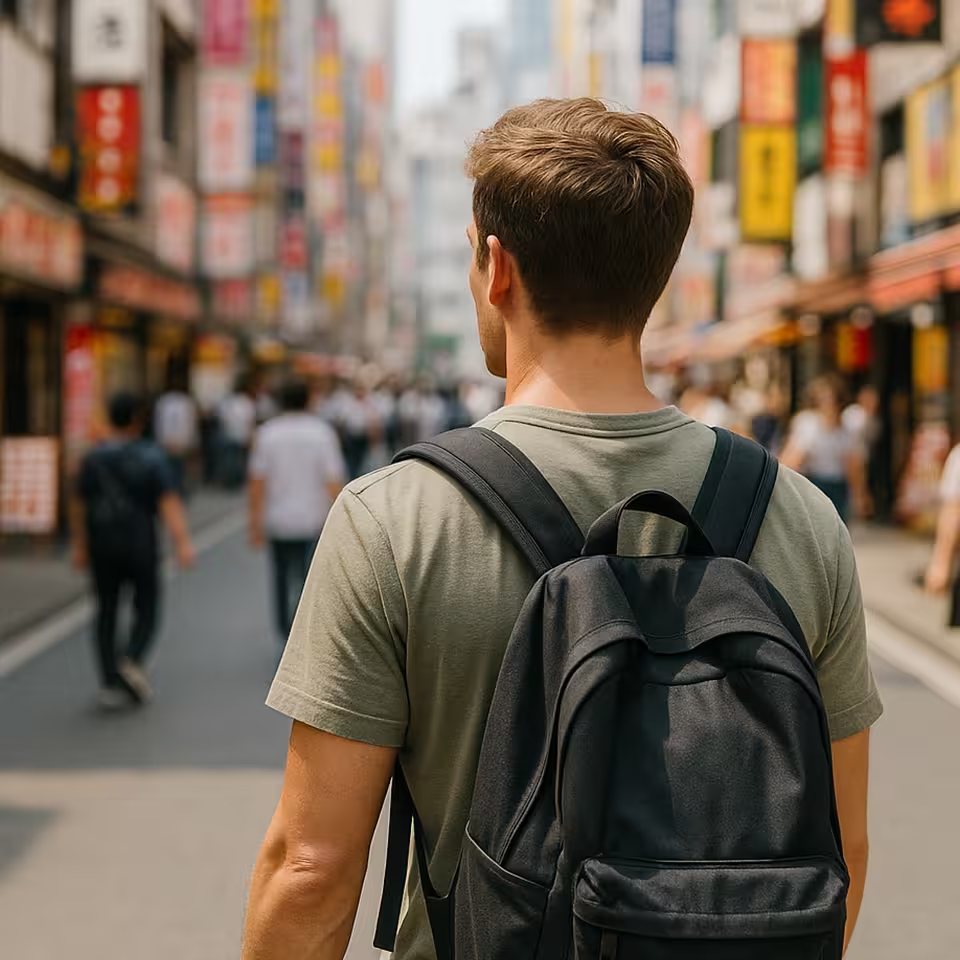
Tokyo Nightlife
Guide 2026
Seven Districts.
One City That Never Stops.
Tokyo's nightlife isn't one thing—it's a collection of completely different worlds that happen to share a train network. Golden Gai in Shinjuku is 200 tiny bars in six alleys, built on conversation and vinyl records. Shibuya is neon and energy and clubs that fill at midnight. Ginza is hushed lounges and ¥50,000 bottles. Roppongi is international crowds and venues that have been welcoming foreigners for decades.
What they share: Japan's deep hospitality culture runs through all of it. The bartender who remembers your drink. The hostess who makes you feel like the most interesting person in the room. The izakaya owner who brings out something extra at the end because you seemed to enjoy the food.
This guide maps out the key nightlife districts, what each one offers, how to get there, and everything you need to know before your first night out.
Tokyo Nightlife Districts at a Glance
| District | Vibe | Budget | Best For |
|---|---|---|---|
| Kabukicho | Electric, intense, never sleeps | ¥3,000–¥30,000+ | Golden Gai, hostess clubs, karaoke, first-time exploration |
| Shibuya | Young, energetic, fashion-forward | ¥3,000–¥15,000 | Clubs, rooftop bars, backstreet izakayas, Nonbei Yokocho |
| Akihabara | Quirky, pop culture, unexpected | ¥2,000–¥10,000 | Maid cafés, themed bars, anime culture, unusual nightlife |
| Ikebukuro | Local, relaxed, less touristy | ¥2,000–¥10,000 | Anime culture, concept cafés, casual nightlife without crowds |
| Roppongi | International, upscale, cosmopolitan | ¥5,000–¥20,000+ | Foreigner-friendly bars, English-speaking venues, late-night clubs |
| Ginza | Refined, quiet, expensive | ¥10,000–¥50,000+ | Upscale hostess clubs, whisky bars, quiet cocktail lounges |
| Asakusa | Traditional, cultural, atmospheric | ¥2,000–¥8,000 | Craft sake bars, traditional izakayas, post-temple evening strolls |
District by District
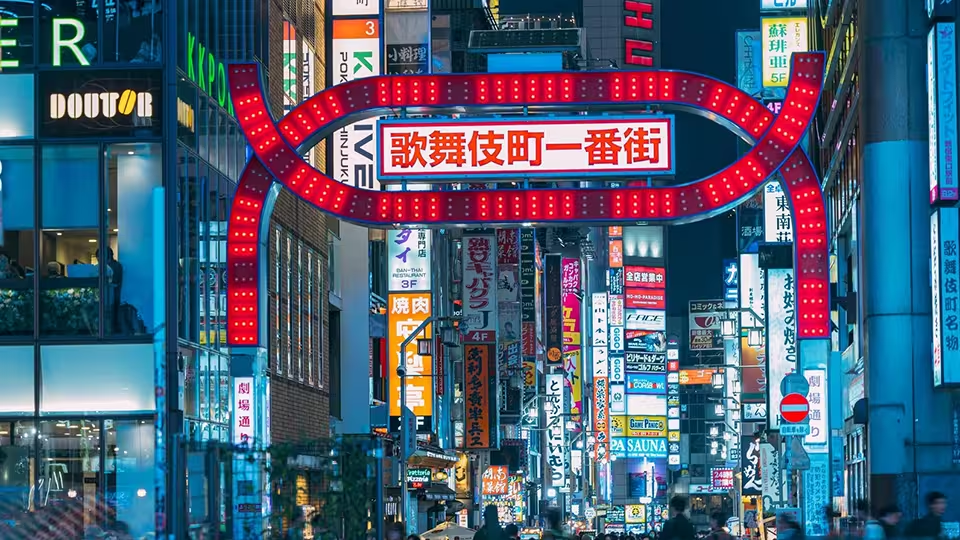
01.Kabukicho — The Sleepless Town
Tokyo's most famous entertainment district and the best single destination for a full night out. Contains Golden Gai (200+ tiny themed bars), Japan's highest concentration of hostess clubs, 24-hour restaurants, karaoke towers, and the iconic neon gate. Suits every budget from ¥3,000 izakayas to ¥50,000 show cabarets. Never closes. → Full guide | Golden Gai guide | Safety guide
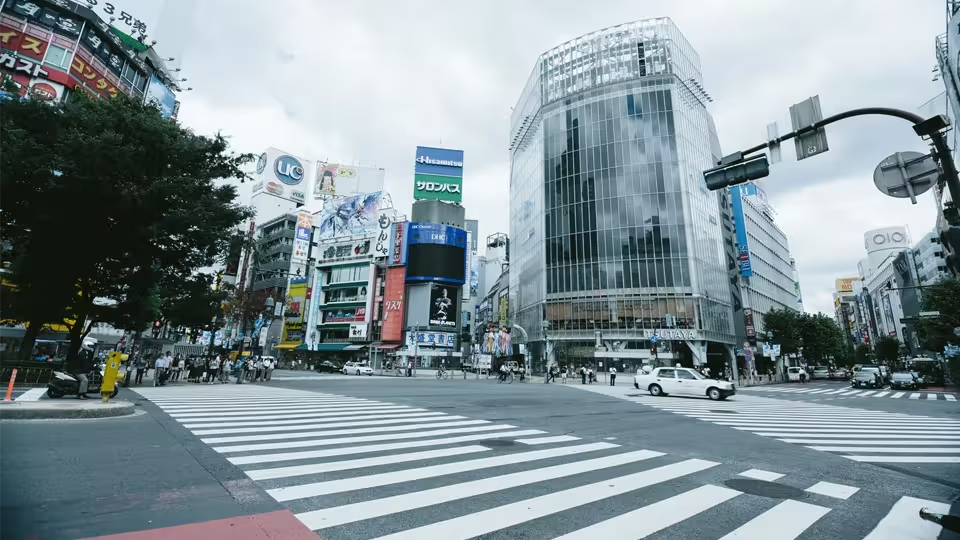
02.Shibuya — Young and Electric
Younger, louder, and more fashion-conscious than Kabukicho. Home to the world-famous Scramble Crossing, rooftop bars with skyline views, and a backstreet bar scene in Nonbei Yokocho and Dogenzaka. The club scene here attracts a younger, international crowd. Best experienced starting at sundown with the crossing and working your way into the backstreets. → Full guide
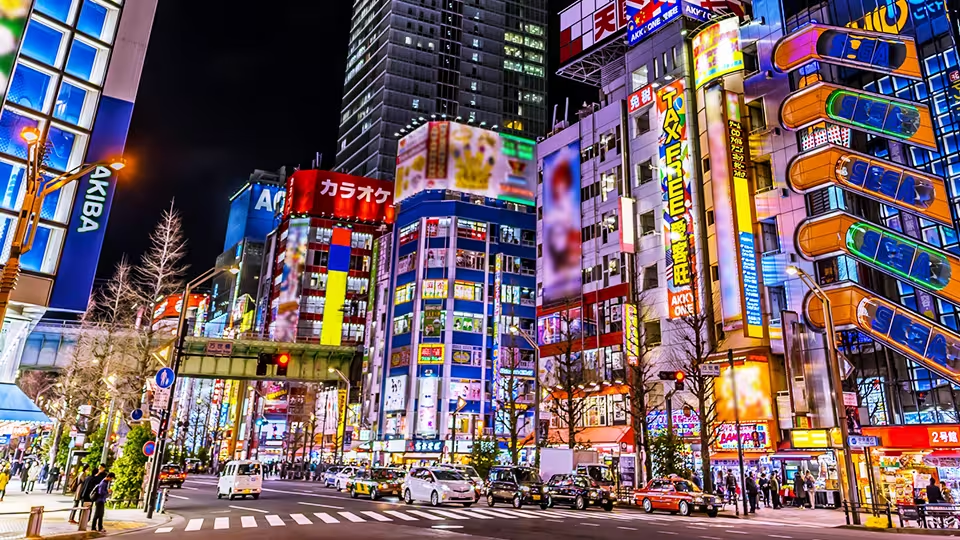
03.Akihabara — Pop Culture After Dark
Famous as Tokyo's electronics and anime hub, Akihabara has a surprisingly varied after-dark scene. Maid cafés, game bars, themed cocktail bars, and retro arcades stay open late. The neon-lit main street is worth walking even if you don't stop—one of Tokyo's most visually striking environments at night. → Full guide
04.Ikebukuro — Local and Underrated
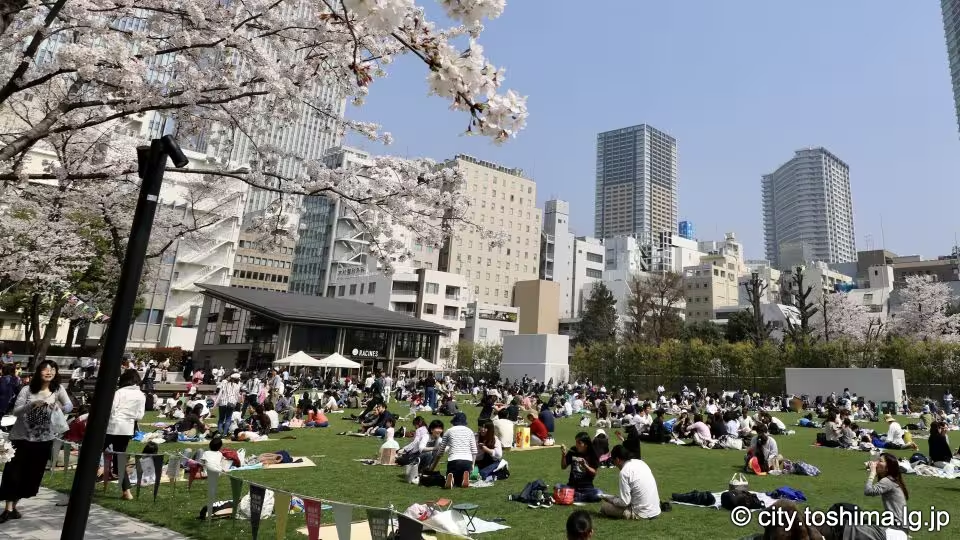
Less visited by tourists than Shibuya or Shinjuku, Ikebukuro offers a more authentic Tokyo nightlife experience. Strong anime culture, concept cafés, and a self-contained bar scene that feels less performative than the major tourist districts. Good for a second or third night when you want to explore beyond the obvious. → Full guide
05.Roppongi — Most Foreigner-Friendly
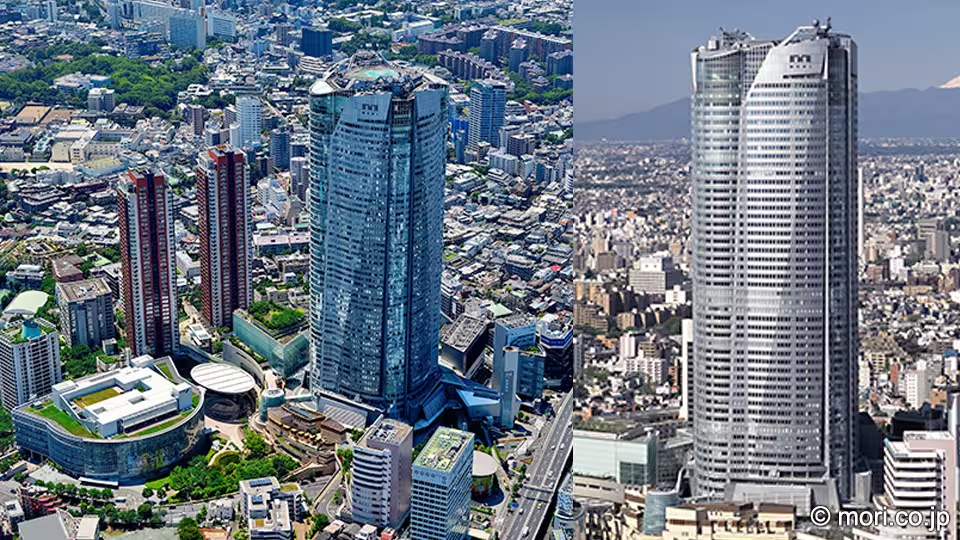
Tokyo's most international nightlife district. Many bars and clubs have English-speaking staff, international crowds, and menus in multiple languages. Higher prices than most districts, but the accessibility barrier is lowest here. Also home to some of Tokyo's best cocktail bars and the most foreigner-friendly end of the hostess club spectrum. → Full guide
06.Ginza — Upscale and Refined
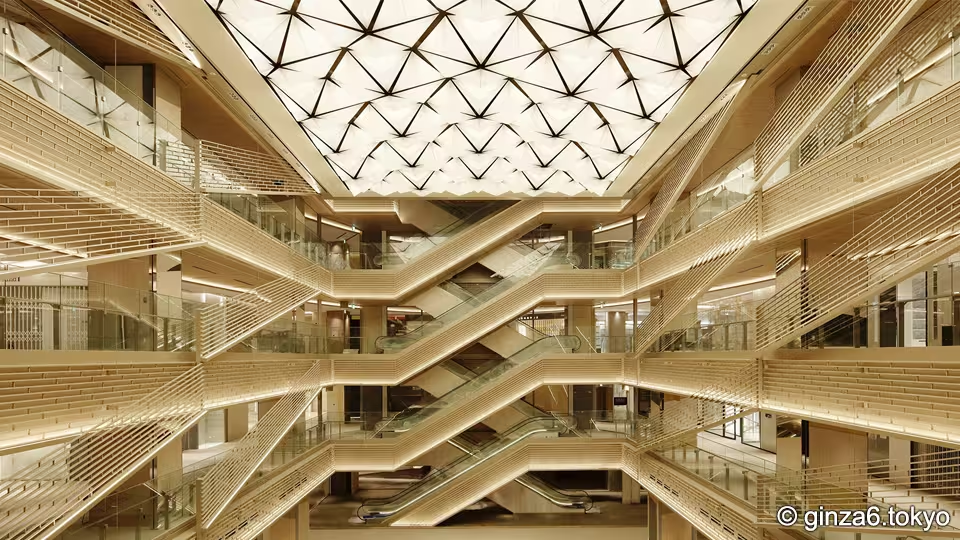
Tokyo's most expensive district, best known for luxury shopping but home to some of the city's finest bars and hostess clubs. The atmosphere here is hushed and elegant—a world away from Kabukicho's neon intensity. Budget accordingly: Ginza is where ¥50,000 evenings happen naturally. → Full guide
07.Asakusa — Traditional Tokyo by Night
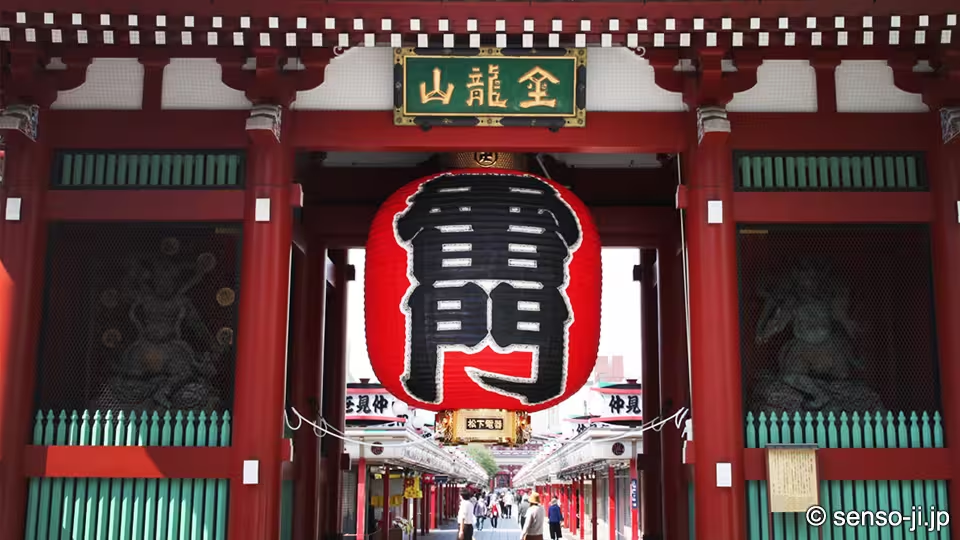
Tokyo's most traditional neighborhood offers a quieter, more atmospheric after-dark experience. Craft sake bars, old-school izakayas, and the unique experience of walking temple streets after the crowds have gone. Best combined with daytime sightseeing—stay for dinner and evening drinks before heading to a livelier district. → Full guide
Practical Information
| Last Trains | Most lines run until midnight–1 AM. Check your specific line on HyperDia or Google Maps. After last train, taxis are available 24 hours but expensive (¥2,000–¥5,000+ depending on distance). Many people simply stay out until first trains at ~5 AM. |
|---|---|
| Typical Costs |
Izakaya drinks: ¥500–¥800 each All-you-can-drink (nomihoudai): ¥1,500–¥2,500 / 90 min Golden Gai: ¥2,000–¥4,000 per bar Karaoke: ¥500–¥1,000 per hour per person Hostess club: ¥15,000–¥30,000+ |
| Payment | Japan is still heavily cash-based. Many bars, especially smaller ones and Golden Gai, are cash-only. Bring ¥10,000–¥20,000 in cash for a full night out. ATMs at 7-Eleven and Japan Post accept international cards 24 hours. |
| Dress Code | Most izakayas and casual bars: no code. Clubs and hostess clubs: smart casual minimum. Ginza and high-end Kabukicho venues: jacket preferred. Shorts and athletic wear may get you turned away at the door. |
| Drinking Age | 20 in Japan. ID may be requested. Carry your passport or a copy. |
| Language | Roppongi has the most English-speaking venues. Most districts have some English capacity, especially for menus. Google Translate camera mode is invaluable for navigating Japanese menus and signs. |
| Smoking | Japan allows smoking indoors in many nightlife venues. Designated smoking areas are common. Some bars are entirely smoking venues—unusual for visitors from countries with indoor smoking bans. |
First-Timer Tips
01.Pick one district and go deep
Tokyo is enormous. Trying to visit Shibuya, Kabukicho, and Roppongi in one night means spending most of it on trains. Choose one district, arrive before midnight, and explore it properly. You'll have a better experience than a rushed tour of three areas.
02.Eat before 8 PM
Tokyo's best izakayas and restaurants fill up on Friday and Saturday nights. If you want to eat at a specific place, aim to arrive by 7–8 PM. After 9 PM, most serious dining is walk-in only and waits are long. Planning: dinner first, then drinks.
03.Know the last train time for your hotel area
Before you go out, look up the last train from the district you're visiting back toward your hotel. Midnight–1 AM is the typical window, but it varies by line. Missing the last train means a taxi or staying out until 5 AM—both viable, but good to know in advance.
04.Nomihoudai is your friend
All-you-can-drink (飲み放題 / nomihoudai) deals at izakayas and casual bars offer 90 minutes of unlimited drinks for ¥1,500–¥2,500. Quality ranges from basic highballs and beer to craft cocktails at better establishments. It's genuinely good value and a quintessentially Japanese way to start an evening.
05.Don't follow street touts
In Kabukicho and Roppongi, people will approach you on the street offering cheap drinks or to show you a bar. Always decline. This is how overcharging scams begin. Choose your own venues, check prices before sitting, and you'll be fine. See the full safety guide.
06.Karaoke is not optional
Private karaoke rooms (カラオケ / karaoke) are a genuine Japanese institution, not a tourist trap. Book a private room for your group, order drinks through the touchscreen, and sing until dawn. Multilingual song libraries mean it works for any nationality. It's the natural end to a Tokyo night out—and often the best part.
Beyond Tokyo
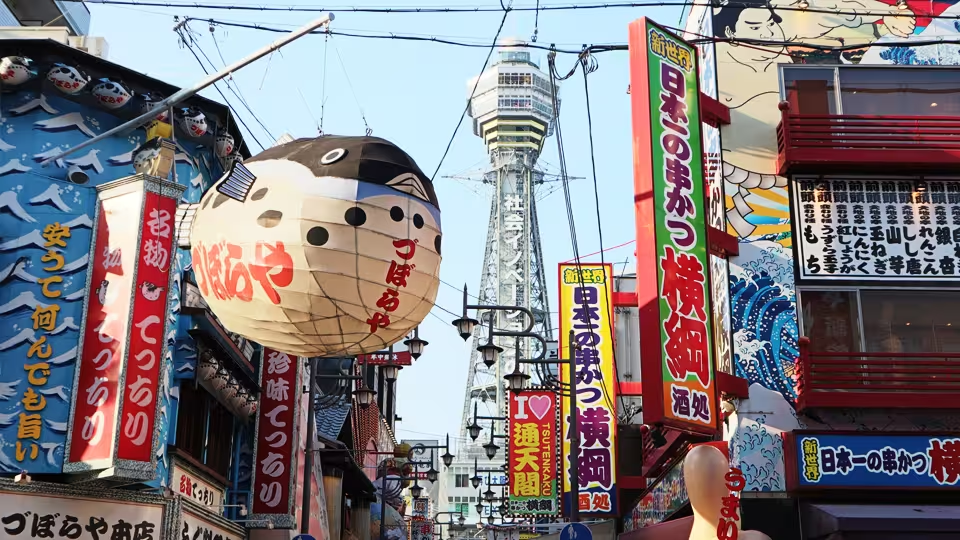
01.Osaka
Japan's second city for nightlife. Warmer, louder, and arguably more fun than Tokyo on a night out. Dotonbori is the iconic strip; Umeda has the hostess clubs; Namba has the street food and izakayas. The Osaka personality—direct, humorous, food-obsessed—makes for a different kind of night.
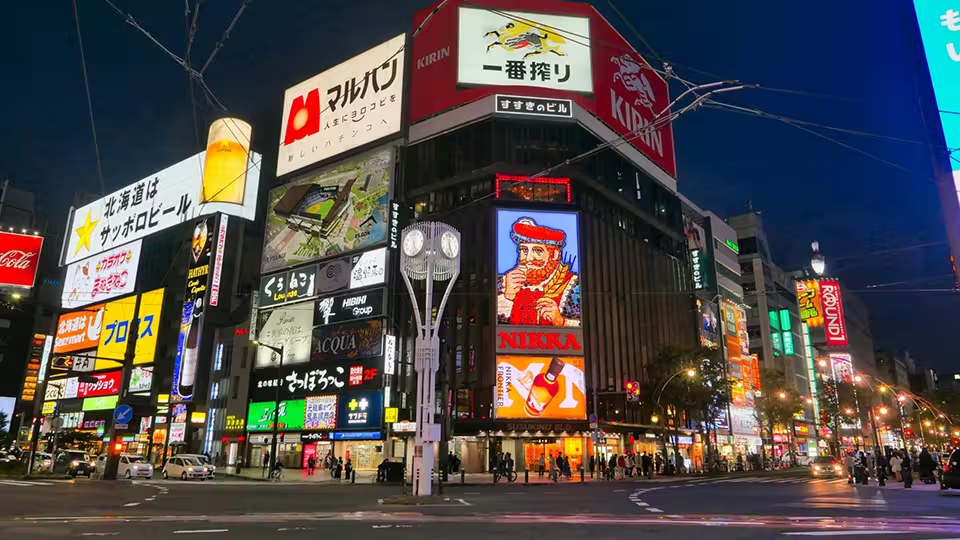
02.Susukino, Sapporo
Hokkaido's nightlife capital, compact and walkable. Famous for ramen alleys, ice bars in winter, and an entertainment district that punches well above its city's size. The cold climate creates an indoor culture that makes bars feel especially warm and inviting.
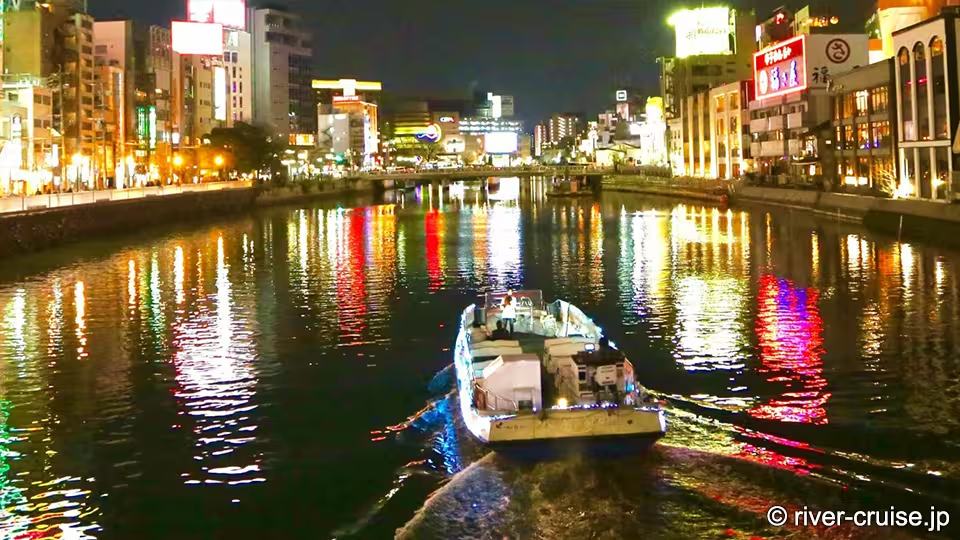
03.Nakasu, Fukuoka
Fukuoka's riverside nightlife district is known for its yatai—open-air food stalls along the water where you eat ramen and drink under the night sky. A uniquely atmospheric experience that doesn't exist in Tokyo. Combine with the city's host clubs and riverside bars for a full evening.
Essential Reading
→Golden Gai Complete Guide
200+ tiny bars in Shinjuku's legendary alleyways—how to navigate them, which bars welcome foreigners, what things cost, and the etiquette rules that make the experience work.
→Is Kabukicho Safe?
A clear-eyed safety guide for Tokyo's most famous district—what's actually dangerous versus what just looks edgy, and the one real risk (street touts) and how to avoid it.
→Japan Hostess Club Guide
What a kyabakura is, how a visit works step by step, the full pricing breakdown, rules and etiquette, and how to have a great experience as a foreign visitor.
→All District Guides
Deep-dive guides for every major nightlife district in Tokyo and beyond—sightseeing, food, things to do, and nightlife for each area.
Tokyo Nightlife FAQ
What is the best area for nightlife in Tokyo?
It depends on what you're looking for. Kabukicho (Shinjuku) is the most famous and diverse—Golden Gai tiny bars, hostess clubs, karaoke, something for everyone. Shibuya is energetic and younger. Roppongi is the most foreigner-friendly with English-speaking venues. Ginza is upscale and quiet. For a first night out in Tokyo, Kabukicho or Shibuya are the most accessible starting points.
What time does nightlife start and end in Tokyo?
Most bars open from 7–9 PM. Last trains run at around midnight to 1 AM. After that: taxi home (available 24 hours), stay out until first trains at ~5 AM, or find an all-night karaoke. Many venues stay open until 4–5 AM, making the post-last-train window a popular part of the night.
How much does a night out in Tokyo cost?
A casual night—dinner, 2–3 bars, maybe karaoke—runs ¥5,000–¥15,000 per person. Many Tokyo izakayas offer all-you-can-drink (nomihoudai) deals for ¥1,500–¥2,500 for 90 minutes. Golden Gai costs ¥2,000–¥4,000 per bar including cover. Hostess clubs start at ¥15,000 and go up considerably.
Is Tokyo nightlife safe for foreigners?
Tokyo is one of the safest major cities in the world. The main risk is scams in entertainment districts—street touts leading you into venues with inflated bills. Avoid following strangers into bars, check prices before sitting, and choose venues in advance. See the Kabukicho safety guide for full details.
Do Tokyo bars and clubs have dress codes?
Most casual bars and izakayas: no code. Clubs and hostess clubs: smart casual minimum. Ginza and high-end venues: jacket preferred. Shorts and athletic wear may get you turned away at clubs and hostess venues. Smart casual covers almost everywhere.
What is the drinking age in Japan?
20. ID may be requested at clubs and hostess venues. Carry your passport or a copy.
Which Tokyo district is best for foreigners who don't speak Japanese?
Roppongi has the highest concentration of English-speaking staff and internationally oriented venues. Golden Gai in Kabukicho also has many foreigner-friendly bars with English menus. Most of Tokyo's nightlife can be navigated with Google Translate and a willingness to communicate across language gaps.
Tokyo Waits After Dark
There's no single "Tokyo nightlife"—there are seven or eight entirely different cities stacked on top of each other, each coming alive after 9 PM. The best strategy is to pick one, go deep, and let the night develop on its own terms. The izakaya that becomes a three-hour conversation. The Golden Gai bar you almost didn't walk into. The karaoke room where everything makes sense at 3 AM.
Start with our district guides, read the practical sections, and then put the phone away. The best nights in Tokyo are unplanned ones.