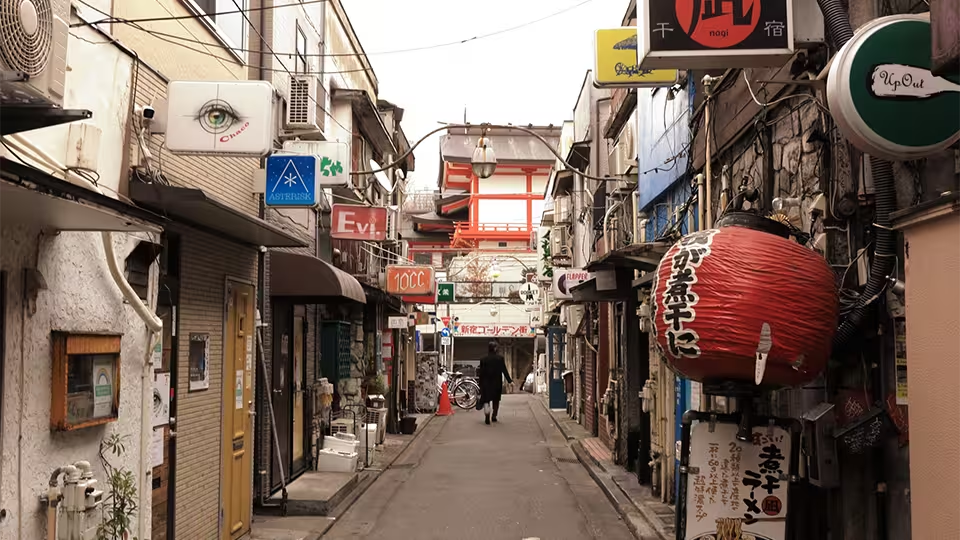
Golden Gai
Complete Guide
200 Bars. Six Alleys.
One of Tokyo's Most Unique Nights Out.
Hidden inside Kabukicho, Golden Gai is a labyrinth of six narrow alleyways packed with roughly 200 tiny bars—each one the size of a closet, each with its own obsessive theme and cast of regulars. Jazz bars where the owner plays vinyl from the 1950s. Film bars where the walls vanish under decades of posters. Whisky bars where every bottle has a story.
Golden Gai survived postwar chaos, the bubble economy, and waves of redevelopment that erased most of what surrounded it. What remains is a living time capsule—a place unlike anywhere else in Japan, or the world.
This guide covers everything you need before you go: how it's laid out, which bars welcome foreigners, what things cost, the etiquette rules, and how to make the most of a night here.
Golden Gai at a Glance
| Location | Kabukicho 1-chome, Shinjuku, Tokyo |
|---|---|
| Nearest Station | Shinjuku Station (East Exit) — 7–10 min walk Seibu-Shinjuku Station — 3–5 min walk |
| Best Time to Visit | 9 PM – midnight on weekdays (most atmospheric) Many bars open until 4–5 AM |
| Budget Per Bar | ¥2,000–¥4,000 (cover charge + 1–2 drinks) |
| Full Night Budget | ¥8,000–¥15,000 for 3–4 bars |
| Payment | Cash only at most bars — bring cash before arriving |
| Foreigner-Friendly | Many bars — look for English signs or flags in the window |
| Solo Travel | Highly recommended — the format is built for solo visitors |
Understanding the Layout: Six Alleys, Three Zones
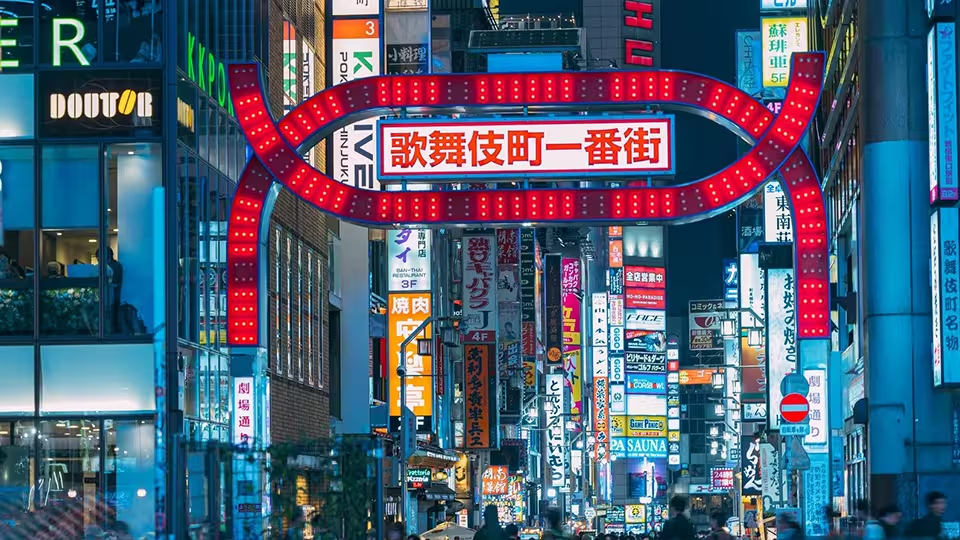
Zone 1 — Tourist-Accessible EndNear Kabukicho Gate
The alleys closest to Kabukicho's main entrance have the highest concentration of foreigner-friendly bars. Look for English menus, international flags, and "Welcome" signs in the window. Great for first-timers wanting an easy entry point—though the vibe here can feel slightly more performative than the deeper alleys.
Zone 2 — Local Mixed ZoneMiddle Alleys
Move deeper and the English signs thin out. These alleys mix long-standing local regulars' bars with newer spots that have discovered the appeal of hosting curious visitors. Language barriers are more common, but so is the authentic Golden Gai experience. A translation app goes a long way.
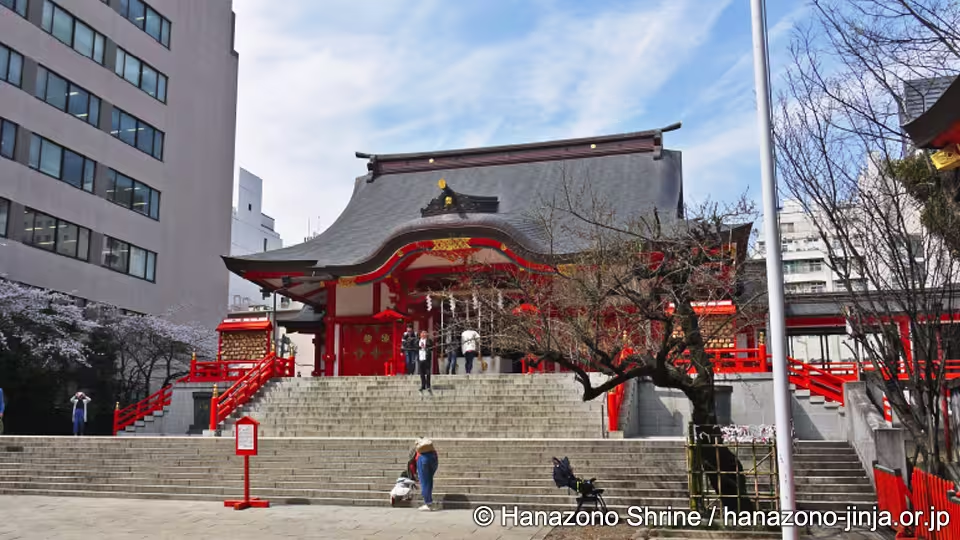
Zone 3 — Most LocalHanazono Shrine End
The alleys near Hanazono Shrine are the quietest and most local. "Regulars only" signs appear more frequently here. These bars are not unwelcoming—they simply operate as genuine neighborhood bars. If the owner waves you in, accept. If a sign asks for regulars only, respect it and move on.
What Kind of Bars Are in Golden Gai?
01.Music Bars — Jazz, Vinyl, Punk
Golden Gai has a disproportionate number of bars built around a specific genre. 60s jazz, 80s punk, city pop, and noise rock all have dedicated bars where the owner's record collection is the main attraction. Music is a universal language—pointing at a sleeve or asking "what is this?" opens more conversations than any phrase book.
02.Film & Pop Culture Bars
A Golden Gai staple: bars where walls vanish under film posters, manga volumes, or action figures. Several are staffed by owners comfortable discussing their collection in English. Shared love of cinema or anime makes these especially accessible to visitors from anywhere.
03.The "Currency Wall" Bars
Several bars collect foreign currency—banknotes and coins pinned to every surface—as decorations and conversation starters. These bars actively seek international guests. When you visit, you may be invited to add a note from your home country. Staff are typically comfortable with basic English.
04.Whisky & Craft Cocktail Bars
More recent additions to the Golden Gai ecosystem: small bars focused on Japanese whisky, craft gin, or serious cocktails. These attract a younger, more cosmopolitan crowd and often have English menus. An excellent way to explore Japanese spirits in an intimate setting.
05.The Classic "One Bartender, Six Seats" Bar
The quintessential Golden Gai experience: no theme except the personality of the owner. Six seats at a counter, one person behind it who's been there for decades. Whether these welcome foreigners depends entirely on the owner. Peek in, make eye contact, and ask quietly—you'll know instantly whether to stay.
Cover Charges: What They Are and Why They Exist
Almost every Golden Gai bar charges a cover fee (席料 sekiryō or チャージ chāji) when you sit down. Typical range: ¥500–¥1,500 per person. This sometimes includes a small snack.
First-timers sometimes find this surprising. Here's why it exists: a bar that seats eight people and charges ¥900 per drink pays Shinjuku rent with maybe ¥7,200 per full turn. The cover charge is how the economics work when your entire business fits inside a shipping container. Think of it as a small admission fee to one of Tokyo's most unique social spaces—it's a bargain.
If the cover charge isn't displayed outside, ask before sitting: "チャージはありますか?" (Chāji wa arimasu ka? — Is there a cover charge?). Reputable bars tell you upfront.
Golden Gai Etiquette
Rule 1."Regulars Only" Signs
Some bars display "regulars only" or "introduction required" signs. This is not anti-foreigner—tiny bars with five seats simply cannot function if every seat is taken by tourists who found them on an app. Respect the sign and move to the next alley. There are 200 bars; you'll find your place.
Rule 2.Group Size
Golden Gai bars are built for intimate conversation. Arriving in a group of six immediately fills a bar to capacity and changes the atmosphere for everyone there. Groups larger than three should split across different bars and meet up later—that's the better experience anyway.
Rule 3.No Photography Without Permission
Ask before photographing the interior, the bartender, or other guests. Most owners are happy to let you photograph the space. Asking is the difference between a welcome guest and an intrusive tourist.
Rule 4.Don't Rush
Arriving, ordering one drink, and leaving in ten minutes is considered rude. The experience is about settling in, talking, and becoming briefly part of the bar's world. One full drink and real conversation is a complete visit—aim for 30–45 minutes per bar.
How to Bar-Hop Golden Gai: Step by Step
Arrive Around 9 PM
Earlier than 8 PM and many bars are still quiet or just opening. 9–11 PM on a weekday is the sweet spot: busy enough to feel alive, calm enough for real conversations.
Walk the Alleys First
Before entering any bar, spend 10 minutes walking all six alleys. Look at the signs, peek through windows, hear where the music is coming from. You'll immediately sense which bars feel right.
Pick Your First Bar
Choose a bar where you can see inside and the atmosphere looks welcoming. English sign or a flag from your country in the window is an easy entry point. If you're drawn to a bar with no English signs, peek in and try: "Sumimasen, ii desu ka?" (Is it okay if I come in?)
Order, Settle, Talk
You're paying for time in a tiny, intimate space as much as for the drink. Order something, make eye contact with the bartender, and let conversation develop naturally. Most Golden Gai bartenders have seen enough curious visitors to find a common language—even if it's just shared laughter.
Move On After One or Two Drinks
Thank the bartender ("ありがとう" — arigatō), pay in cash, and step back into the alley. Aim for three or four bars across the night. That's the Golden Gai experience.
Getting to Golden Gai
Golden Gai sits inside Kabukicho, Shinjuku. Three easy access routes:
JR Shinjuku Station (East Exit) — Walk north along the east side of the station toward Yasukuni Street, then follow the Kabukicho signs. Golden Gai is behind and to the right of the Kabukicho Ichibangai gate. About 7–10 minutes on foot.
Seibu-Shinjuku Station — The closest station. Turn right out of the exit; the Kabukicho gate is immediately ahead. Golden Gai is 3–5 minutes from here.
Tokyo Metro Shinjuku-Sanchome Station (Exit B3) — 5 minutes walking northwest toward Kabukicho.
Last trains note: Trains from Shinjuku run until around midnight–1 AM. If you plan to stay later, budget for a taxi home or stay until first trains at ~5 AM—both are common strategies.
Pair Golden Gai with the Rest of Kabukicho
Golden Gai sits inside Kabukicho, Tokyo's most famous entertainment district. A full night typically looks like this: dinner at one of Kabukicho's restaurants (yakitori, ramen, or izakaya), then a walk to Golden Gai for two or three bars, then deeper into Kabukicho for karaoke, the hostess clubs and nightlife detailed in our full Kabukicho guide, or just a wander through the neon streets.
Read our complete Kabukicho guide for sightseeing, food, and the full after-dark picture.
Golden Gai FAQ
Is Golden Gai foreigner-friendly?
Many Golden Gai bars actively welcome foreigners and display English menus or international flags. Some bars post "regulars only" signs—these apply equally to Japanese and foreign visitors and simply mean the bar is too small to serve as a tourist destination. Respect the sign and move to the next bar; with 200 venues close together, you'll find a welcoming one quickly.
How much does Golden Gai cost?
Most bars charge a cover fee (seating charge) of ¥500–¥1,500 per person. Drinks cost ¥700–¥1,200 each. Budget ¥2,000–¥4,000 per bar for a drink or two including the cover. For a full night across 3–4 bars, bring ¥8,000–¥15,000 in cash.
Does Golden Gai only accept cash?
The vast majority of Golden Gai bars are cash-only. Bring cash before you arrive. Nearest ATMs: 7-Eleven on Yasukuni Street and inside Don Quijote in Kabukicho. ATMs near Kabukicho get busy after midnight.
What time should I visit Golden Gai?
Golden Gai comes alive from around 8 PM. The sweet spot on weekdays is 9–11 PM when local regulars fill the lanes. Weekends are busier and more touristy. Many bars stay open until 4–5 AM.
Is Golden Gai safe?
Golden Gai is very safe—a well-lit, perpetually busy cluster of small bars. The main precaution in the wider Kabukicho area is to avoid street touts offering free drinks or entry to unknown venues. Golden Gai itself has no such issue.
Can I go to Golden Gai solo?
Golden Gai is excellent for solo visitors. The format—one bartender, a counter, six seats—is built around solo drinking and conversation with strangers. Solo travelers often settle into the atmosphere more easily than groups, who can overwhelm a tiny bar.
Where exactly is Golden Gai in Shinjuku?
Golden Gai is in Kabukicho 1-chome, Shinjuku. From Shinjuku Station (East Exit) it's a 7–10 minute walk. From Seibu-Shinjuku Station, 3–5 minutes. Look for the six narrow alleys east of the Kabukicho Ichibangai arch, near Hanazono Shrine.
How many bars are in Golden Gai?
Approximately 200 bars packed into six narrow alleyways. Each bar seats 5–10 people. Themes range from jazz and film to anime, punk, whisky, and avant-garde fiction.
One Night in Golden Gai
Is Never Quite Enough
Walking into a bar the size of a bathroom, sitting next to a stranger who turns out to be a jazz musician or novelist, and spending two hours talking about things you'll never talk about again—that's what Golden Gai offers. It's not nightlife in the conventional sense. It's a series of accidental conversations made possible by close quarters and good whisky.
Come once and you'll understand why people come back every trip to Tokyo.