Winter
Night
Hotspots
Where Winter Comes Alive After Dark
Winter in Japan brings cold air, clear skies, and a unique kind of atmosphere—one that feels especially alive after sunset.
As temperatures drop, cities glow warmer. Streets shine with illumination, food turns richer and more comforting, and nightlife shifts indoors, creating cozy yet vibrant night scenes.
This guide highlights the best areas to enjoy Japan in winter, focusing on districts where chilly evenings naturally lead into warm dining, bars, and unforgettable nightlife experiences.
When Is Winter Season in Japan?
01.Typical Winter Period
Winter in Japan generally runs from:
December to February — Most regions
Late November to March — Hokkaido and northern areas
Snowfall, illumination events, and winter festivals vary by region, but nighttime city exploration remains enjoyable throughout the season.
02.Why Winter Nights Work So Well
Winter naturally shifts travel toward evenings. These areas were selected based on:
• Strong night scenery (illumination, neon, snow-lit streets)
• Comfort food and warm dining nearby
• Indoor nightlife options (bars, lounges, clubs)
• Walkability even in colder weather
Winter is when Japan’s cities feel intimate, atmospheric, and deeply memorable after dark.
Best Areas in Tokyo During Winter
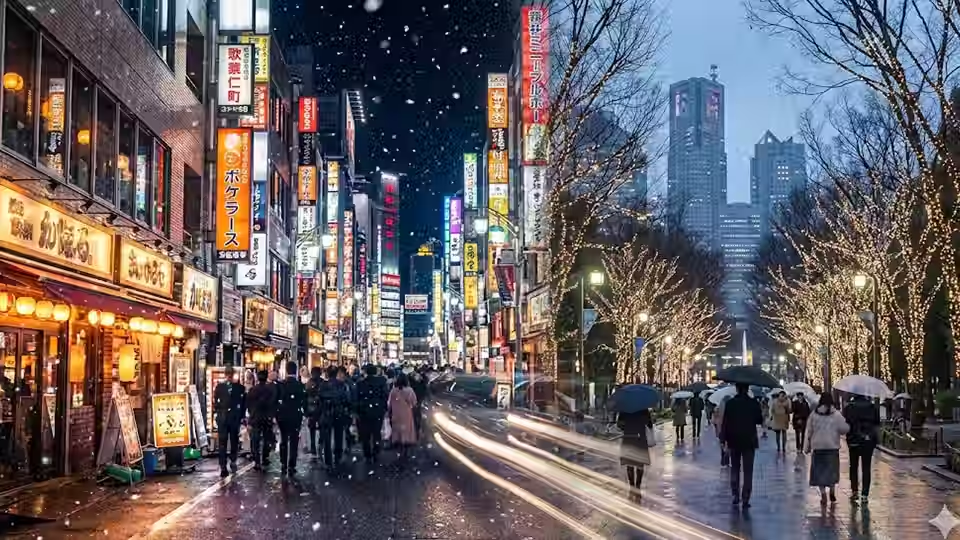
01.Kabukicho / Shinjuku
Winter sharpens Kabukicho’s contrast—cold streets outside, warmth and light inside. Shinjuku’s winter illuminations and nearby parks offer a calm start, while Kabukicho delivers nonstop nightlife regardless of temperature.
Bars, lounges, and late-night dining make this one of the easiest places to enjoy Tokyo after dark in winter.
Best for: First-time visitors, nightlife-focused travelers, and anyone who doesn’t want weather to limit their plans.
Read our Kabukicho guide →
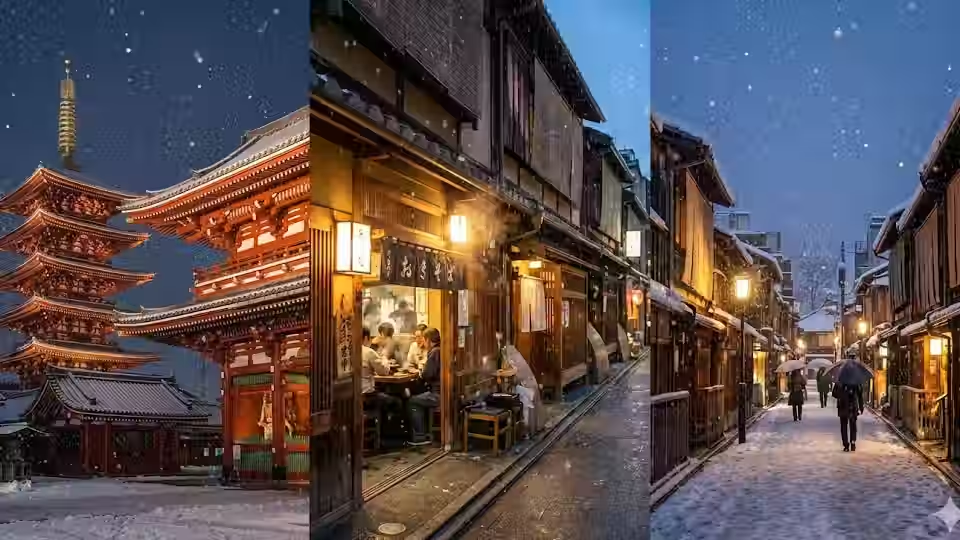
02.Asakusa
Winter evenings in Asakusa feel quieter and more atmospheric. Temple grounds, lantern-lit streets, and traditional architecture stand out against the cold night air.
Warm soba, hot sake, and small izakayas make it easy to enjoy a relaxed winter night without rushing.
Best for: Cultural travelers, photographers, and slow-paced winter exploration.
Read our Asakusa guide →
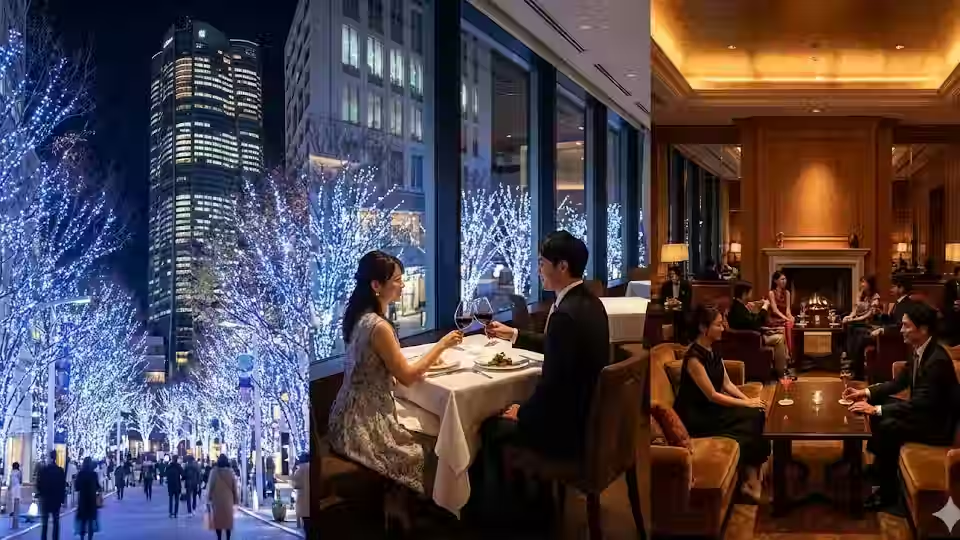
03.Roppongi
Roppongi shines in winter with seasonal illumination, polished nightlife, and international dining. The colder months bring a refined atmosphere that suits cocktail bars and indoor lounges perfectly.
It’s ideal for a stylish winter night without long outdoor walks.
Best for: Date nights, upscale dining, and cosmopolitan winter evenings.
Read our Omotesando & Roppongi guide →
Best Areas Outside Tokyo
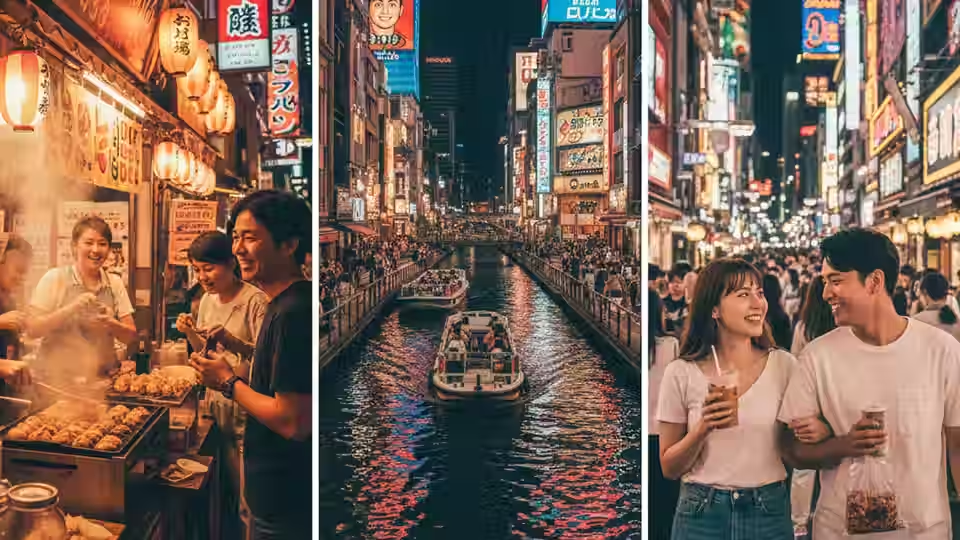
01.Osaka
Osaka’s winter nights are all about warmth—hot food, lively streets, and friendly energy. Dotonbori and Umeda stay active year-round, with winter making indoor dining even more enjoyable.
Cold weather simply means better food and longer nights inside.
Best for: Food lovers and travelers who enjoy energetic city nights.
Read our Osaka guide →
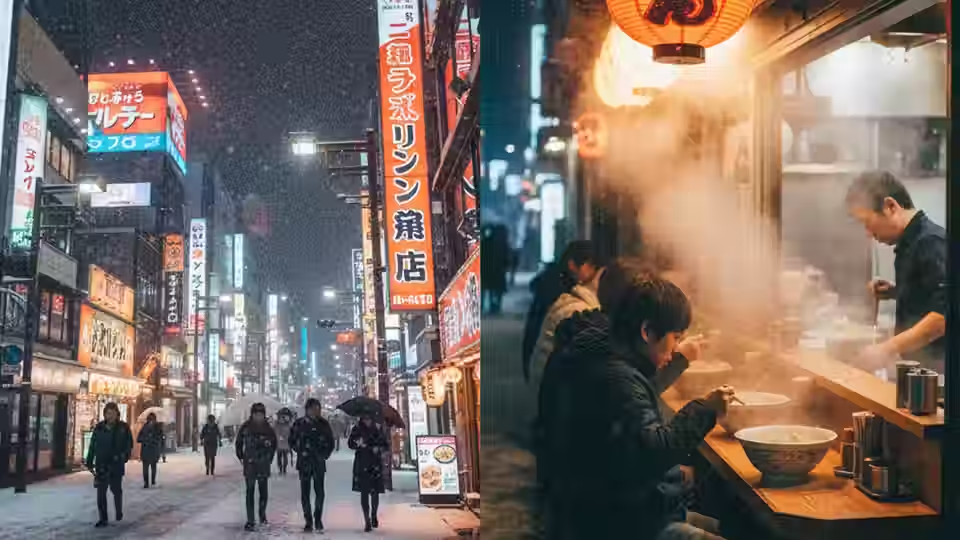
02.Susukino (Sapporo)
Few places define winter nightlife like Susukino. Snow-covered streets, bright neon, and steaming ramen shops create an unmistakable winter atmosphere.
It’s cold outside—but that contrast makes Susukino’s nightlife even more satisfying.
Best for: Winter lovers, repeat Japan visitors, and anyone seeking iconic snow-night scenery.
Read our Susukino guide →
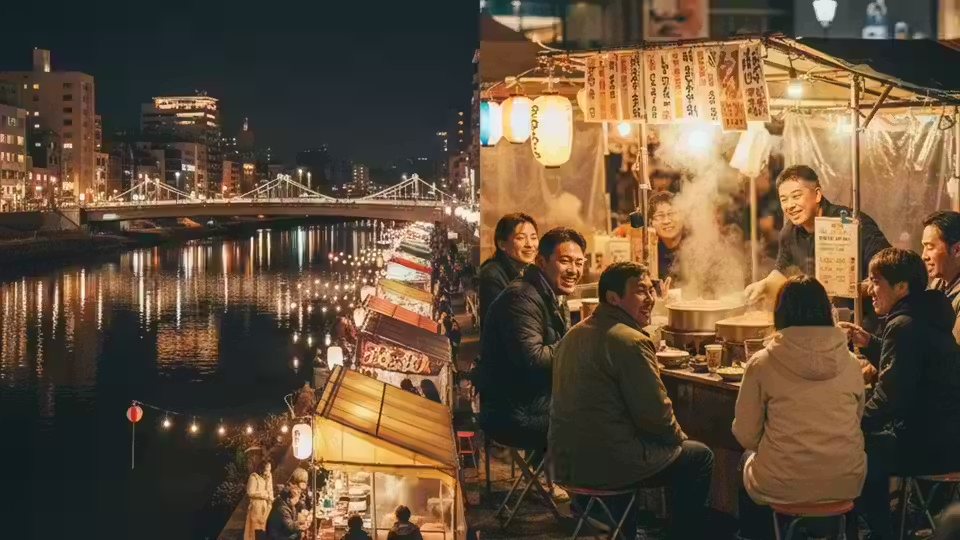
03.Nakasu (Fukuoka)
Winter in Fukuoka is milder, making Nakasu one of the most comfortable places to enjoy nights outdoors. Riverside lights, yatai food stalls, and warm local dishes define the season.
It’s an easy, welcoming winter destination without heavy cold.
Best for: Food-focused travelers and those who prefer mild winter evenings.
Read our Nakasu guide →
Japan Winter Nights — At a Glance
| Season | December–February. Tokyo winters are cold but dry (0–10°C). Sapporo and ski areas see heavy snow. |
|---|---|
| Must-Do Events | Christmas illuminations (Nov–Jan), bonenkai season (December), New Year's hatsumode shrine visit, Sapporo Snow Festival (early February) |
| Best Districts | Omotesando and Marunouchi for illuminations; Asakusa and Meiji Jingu for New Year's; Susukino (Sapporo) for cold-weather bar culture |
| Winter Food | Nabe hot pot (shabu-shabu, sukiyaki, oden), miso ramen, hot sake (atsukan). Winter izakaya menus are peak season. |
| New Year's Note | Trains run all night Dec 31–Jan 1. Shrines are packed midnight–3 AM. Book hotels and restaurants for New Year's period well in advance. |
| Links | Asakusa Guide | Susukino Guide | Omotesando & Roppongi |
Japan Winter Nightlife FAQ
What are the best winter illuminations in Tokyo?
Omotesando Hills (zelkova tree lights), Marunouchi Illumination (Ginza area), Roppongi Hills, and Shibuya Blue Cave at Yoyogi Park. Most run November through early January.
What is bonenkai?
Bonenkai (忘年会, "year-forgetting party") — Japan's end-of-year office party tradition in December. Izakayas book out weeks ahead for these groups; reserve dinner 2–3 weeks in advance if visiting Tokyo in December.
What winter food should I try in Japan?
Nabe hot pot (shabu-shabu, sukiyaki, chanko nabe), oden simmered in dashi broth, Sapporo miso ramen, and hot sake (atsukan). Winter is Japan's best izakaya season.
What happens on New Year's Eve in Tokyo?
Hatsumode shrine visits at Meiji Jingu and Senso-ji, midnight countdowns at Shibuya and Roppongi Hills, trains running all night. One of Tokyo's most atmospheric nights of the year.
Is Japan good to visit in winter?
Underrated — lower crowds than spring/autumn, good hotel rates (outside New Year), beautiful illuminations, excellent winter food, and world-class Hokkaido ski resorts.
Cold Air, Warm Nights
Winter in Japan transforms cities into places of light, warmth, and connection.
From snow-lit streets to cozy bars and glowing districts, these areas invite you to discover Japan’s most atmospheric season—after dark.
This guide is just the beginning. The rest is waiting for you to uncover.